House clearance in Havering
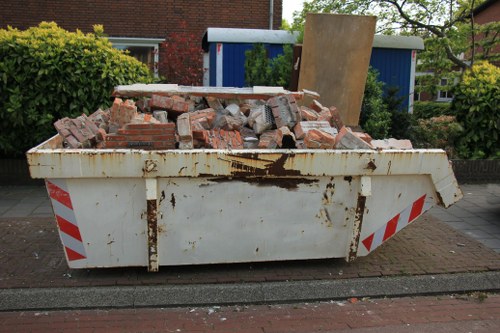
Havering House Clearance provides a practical house clearance service in Havering for homes that need rooms, outbuildings or whole properties cleared in an organised way. The service is suited to situations where furniture, mixed household items and general contents need to be removed with care, whether the task is straightforward or more involved. We focus on making the process clear, safe and manageable from the first enquiry through to the final load.
Our work can include partial clearances as well as full house clearances, depending on how much needs to go and how the property is laid out. We also handle related domestic clearance work such as flat clearance, loft clearance and garage clearance, which can be useful when one part of a property needs attention before the rest. If you need help with awkward access, mixed items or bulky furniture, we can talk through the best approach and prepare a quotation.
When you are planning a clearance, it helps to think about what should stay, what can be removed and whether any items need separating before the work starts. A short list, a few photographs or a simple room-by-room outline can make it easier to describe the job. Clear instructions reduce delays, especially where there are several floors, access restrictions or items that need handling carefully. If you would like to discuss the work, please get in touch for a quotation.
House clearance options for different property sizes

Not every clearance is the same, so the service is arranged around the property and the amount of contents involved. Some customers need a single room cleared, while others need several floors, loft areas or sheds dealt with as part of a wider job. We can usually adapt the work to suit the home, the access and the mix of items, including furniture, bagged household waste and general possessions that no longer need to remain on site.
For larger properties, the main decision is often whether the work should be completed as one full clearance or divided into stages. A staged approach can be useful when the property contains stored belongings, documents or items that need sorting before removal. If the job involves heavy furniture or awkward items, it is worth identifying them early so the clearance can be planned with the right equipment and enough time. House clearance and home clearance are both relevant starting points when you want a broader service for domestic contents.
Smaller properties can still require careful handling, especially where access is narrow or items are packed closely together. In flats, for example, the route out of the property matters just as much as the contents themselves, and it is often best to confirm lift use, parking arrangements and any restrictions before the work day. For this reason, a clear description of the rooms involved is often more helpful than a general estimate of volume alone.
Furniture, bulky items and responsible removal

Many house clearance jobs involve bulky furniture that is difficult to shift without help. Sofas, wardrobes, tables, bed frames and similar pieces need to be removed carefully to avoid damage to walls, floors and doorways. We can include furniture as part of a wider domestic clearance or deal with it as a focused job when only a few items need to go. Where appropriate, related pages such as furniture clearance and furniture disposal explain the kind of removal work that often sits alongside a house clearance.
Responsible handling matters just as much as the lifting itself. Items may need to be separated by type, condition or intended destination so the clearance can be completed efficiently. Some contents will be suitable for onward use or separate processing, while others are simply removed as part of the clearance load. If you are unsure whether an item should be included, it is usually best to list it rather than leave it out, especially if it is large, fixed or difficult to move.
Useful things to mention in your enquiry include the number of rooms, any large furniture, whether items are upstairs or in a loft, and whether there are awkward access points. You do not need a perfect inventory, but a practical summary helps the quotation reflect the real scope of the work. If a piece is especially heavy, built in or fragile, that is worth noting too, because the handling method may affect the time needed.
Household waste, mixed contents and tidy removal

House clearances often include more than furniture alone. Domestic contents can range from boxed belongings and general clutter to mixed household waste that has built up over time. We can remove items in a way that keeps the work organised, with attention to how the property is left afterwards. For customers who need broader removal services, waste removal and builders waste clearance are useful related services where the material is not purely domestic furniture.
There are times when a clearance needs to deal with a variety of item types in one visit. Old household contents, redundant storage items and unwanted mixed materials can often be handled together, provided the scope is described properly at the quotation stage. It is sensible to distinguish between contents that are being kept, things that need relocating elsewhere and items that are ready for removal. That separation helps prevent confusion once the work begins and supports a smoother handover.
When a property has accumulated a wide range of items, it is often better to clear in a logical order rather than simply emptying rooms at random. Commonly, the work starts with accessible items and then moves to more awkward areas such as cupboards, under-stair spaces and loft storage. A measured approach helps the clearance stay manageable, particularly where there are sentimental belongings mixed in with items that are ready to leave the property.
Managing access, timing and the condition of the property
The practical side of a house clearance can matter as much as the contents themselves. Access routes, stairs, narrow doors, parking arrangements and the condition of the interior all influence how the work is organised. A clearance in a furnished, lived-in property is different from one in an empty or partially empty home, so it is useful to explain the setting clearly when requesting a quotation. The more precise the description, the easier it is to set expectations for the day.
Timing can also affect how the clearance is handled. Some properties need work completed before keys are handed over, while others are being prepared for sale, rental or renovation. If there are deadlines involved, say so early so the plan can be shaped around them. Our aim is to keep the process simple and predictable, with the scope agreed in advance rather than adjusted at the last minute. If you are ready to move forward, contact us to discuss the job and request a quotation.
House clearance quote details are usually clearest when you include the size of the property, the rooms involved, the type of items present and any special access points. If photographs are available, they can help show the overall layout and any bulky pieces, but a written summary is still valuable. For clear jobs, a few lines of detail may be enough; for more complex homes, a fuller description avoids unnecessary back-and-forth and helps the work stay well organised.
What a domestic clearance can include

A domestic clearance can involve a wide range of items, and it is often useful to think in terms of categories rather than individual objects. General household contents, soft furnishings, old storage items, broken pieces and unwanted possessions may all form part of the same job. Where there are items that need to be treated differently, those should be identified at the quotation stage so the work can be planned correctly. The service can also sit alongside garden clearance when outdoor storage or related household items are being removed at the same time.
The best outcomes usually come from separating the things that still have a purpose from the things that no longer do. That may mean keeping some items in place, setting aside documents or separating personal belongings before the clearance starts. We can work from clear instructions and adapt the removal sequence to suit the property. Careful sorting is often the difference between a simple clearance and a frustrating one, particularly in homes where items have been stored in several different areas over time.
If you are comparing clearance options, it is useful to consider whether you need a focused room-by-room service, a broader property clearance or help with particular bulky items. Different jobs suit different levels of support, and a good quotation should reflect the actual work involved rather than a rough guess. Call or message with a short description of the property and the contents, and we can help you understand the most suitable approach.
Flat clearance and access-sensitive properties
Flat clearance often requires a slightly different approach from a standard house clearance. Shared entrances, stairwells, lift use and building rules can all affect how items are removed, so the route out of the property needs to be considered carefully. A flat may also contain fewer rooms but denser storage, which means the work can still be substantial even when the floor area is modest. Clear access information helps the job run more smoothly and safely.
When a property has limited space, the order of removal matters. Bulky items may need to come out before smaller contents can be gathered efficiently, and items that block cupboards or hallways may need attention first. For customers who are dealing with a compact property, a well-structured plan can be more useful than trying to estimate the job by eye. If you need a similar service for apartments or maisonettes, flat clearance is a relevant option to review alongside the main house clearance service.
We also understand that some clearances happen under time pressure because a property is being handed back, decorated or prepared for new occupants. In those cases, the most useful information is usually factual: which rooms are included, what needs removing and whether there are any restrictions on access or parking. That practical detail allows the clearance to be arranged sensibly without adding unnecessary complexity.
Garage, loft and storage areas
Storage spaces often contain a mixture of old furniture, boxed belongings, tools, seasonal items and general clutter that has been left untouched for years. A house clearance can include these areas, but it helps to describe them separately because lofts, garages and sheds often present different access and lifting challenges. A garage may be straightforward but full of heavy items; a loft may be cramped and awkward; a shed may contain damp or fragile contents that need a bit more care.
These areas are especially useful to identify when you want to decide which items are part of the clearance and which should remain with the property. Sometimes customers only need one storage area cleared before the rest of the home can be sorted, and sometimes those spaces are the final stage of a wider domestic job. If that is your situation, the related pages for garage clearance and loft clearance can help explain the type of work involved.
The main thing is to avoid leaving storage areas vague. A short description such as “loft with boxed household items and two pieces of furniture†gives much better guidance than simply saying the property needs clearing. Where items are difficult to reach or may need to come down from height, it is worth mentioning that early so the clearance can be planned with proper care and enough time.
About Havering
Havering is a borough in east London with a character that blends suburban districts, older market-town traces and substantial green space. It takes its name from the historic hundred of Havering, and the area’s most familiar centre is Romford, which has long served as a commercial focus for the wider borough. The borough stretches across a varied landscape that includes built-up neighbourhoods, country parks, open fields and stretches of the River Thames to the south. That mix makes Havering feel broad rather than uniform, with different places inside it developing distinct identities over time. Romford, Hornchurch, Upminster, Rainham and Harold Wood are among the better-known settlements, each with its own town centre or local high street. Havering’s history reaches back through medieval and early modern layers, visible in the survival of older parish names and in heritage sites such as Havering-atte-Bower, once associated with royal hunting and the old manor landscape. The borough also includes green landmarks like Raphael Park, Bedfords Park and Upminster Windmill, while the Thames-side edge brings in industrial history, transport routes and open-water views. Churches, conservation areas and the retail life of Romford all contribute to a place that is practical as well as historically layered. Although much of Havering is suburban in appearance, its edges still carry reminders of former rural use, and the borough’s geography continues to be shaped by roads, rail lines and the transition between London and Essex. Those contrasts give Havering a strong local identity that is both lived-in and recognisably varied.
Pricing, quotations and deciding what to include
Quotation work is usually most straightforward when the information is specific and complete enough to reflect the real size of the job. The main factors are the volume of contents, the type of items, the access involved and whether the property needs a partial or full clearance. A job with a few bulky pieces can differ significantly from one with many lighter items spread across several rooms. Pricing and quotes is a useful page if you want to see how estimates are approached more generally.
It also helps to say whether there are items that should remain in place, because that can change the sequence of work and the amount of sorting required. A sensible quotation should reflect what is being removed, not simply the number of rooms on paper. If you are uncertain about a room, cupboard or outbuilding, mention it anyway; it is easier to include it in the discussion than to discover it on the day. That is especially true when a house contains a mix of stored possessions, furniture and general clutter.
For homeowners, landlords and relatives dealing with an emptying property, the most useful next step is often a short, factual enquiry rather than a long explanation. Say what needs clearing, where it is and whether any of it is especially heavy or awkward. From there, we can work towards a suitable plan and a clear quotation. If you would like to compare service details first, about us may help before you make contact.
Service details, safety and simple next steps
Safety matters during every stage of a house clearance, from moving heavy items to navigating stairs and tight corners. It is important that the work is carried out with care for the property and for the contents that are being left behind. If there are fragile surfaces, narrow routes or items that should not be disturbed, those points should be stated clearly at the outset. Good preparation reduces the chance of accidental damage and helps the clearance proceed in a controlled way.
Some customers prefer to begin with one area before committing to a broader clear-out, and that can be a sensible way to manage a larger property. A single room, loft space or garage can be tackled first, giving you a clearer sense of what remains and what further work is needed. Where appropriate, we can discuss the order of removal and the scope of the task so that the clearance feels manageable rather than overwhelming. If you are at the stage of comparing options, it is reasonable to ask for a quotation and then decide how much of the property should be included.
Ready to move on? Use the service pages above to review the type of clearance you need, then request a quotation with a short description of the property, the rooms involved and any bulky items. A concise enquiry is usually enough to start the process, and it gives us the basic information needed to respond clearly.